
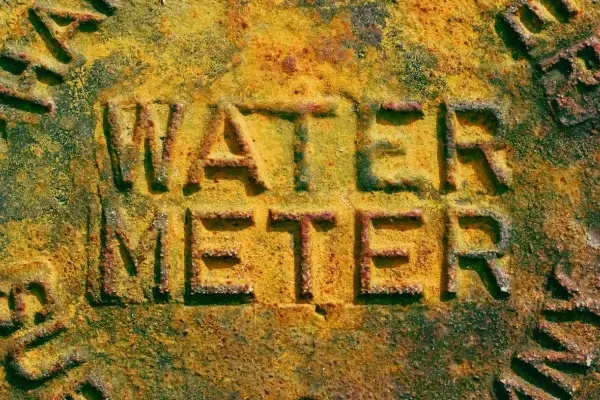
Water metering is coming to parts of Hawke’s Bay, and it’s already changing how some homeowners think about their water use. If you’re not sure what it actually means for your household, when it will affect you, or what’s worth doing now to get ahead of it, this guide answers the questions we hear most often from Napier and Hastings homeowners.
What is water metering and why is it coming to Hawke’s Bay?
Water metering means measuring your household’s actual water use with a meter, instead of bundling it into a flat rate on your rates bill. Councils are introducing it to get an accurate picture of how much water each property uses, encourage conservation and help fund the upkeep of ageing water infrastructure.
For homeowners, the practical effect is that your water costs are likely to reflect your own usage more closely, rather than an average spread across everyone in the district – and hidden waste is more likely to start costing money.
When will water metering start in my area?
The start date for water metering varies by council and street, and it’s still being finalised in parts of Hawke’s Bay – Napier and Hastings have both been through different stages of planning and trials over recent years. The most reliable way to find the current rollout timeline for your area is the Water Hawke’s Bay website.
Will I need to do anything, or does the council install the meter?
In most cases you won’t need to do anything to get a water meter installed, because the council or its contractors usually handle the installation themselves. What is worth doing beforehand is making sure your own plumbing is in good order.
A hidden leak that’s invisible on a flat-rate bill becomes an ongoing, visible cost the moment a meter is in place – so any prep is really about your own pipework, not the meter itself.
Will my water bill go up or down once I’m metered?
Whether your water bill goes up or down once you’re metered depends on how much water your household actually uses and how the water charges are calculated. Those charges haven’t been confirmed yet, so it’s too early to say whether any household’s costs will stay the same, go up or come down.
What is clear is that your own usage is likely to matter more than it does now. Homes with a hidden leak, older high-flow fixtures, or heavy outdoor water use (a large garden, a pool, frequent car washing) are the ones most exposed to higher charges – which is exactly why checking your system now is worth the time it takes.
How is metered water billed compared to the current rates system?
Metered water is billed according to what you actually use, whereas under the current system water is generally bundled into your rates as a fixed charge, regardless of how much you individually use. Metered billing may come in addition to, or sometimes instead of, any fixed charges that remain, depending on your council’s approach.
The exact billing structure differs between councils, so it’s worth checking your own council’s published approach once metering is confirmed for your street.
What’s the easiest way to check for hidden leaks before metering starts?
The easiest way to check for hidden leaks before metering starts is to look for the signs: damp patches, the sound of running water when everything is switched off, or an unexplained drop in water pressure. If you suspect a leak, a plumber can inspect your system and find it properly.
For a full walk-through of common leak signs and when it’s time to call a plumber rather than keep guessing, see our guide to leaks on your Hawke’s Bay property. If you’ve also noticed a change in your water pressure alongside a suspected leak, our guide to low water pressure covers what that combination can mean.
Does metering affect properties on tank or bore water too?
Council water metering generally doesn’t affect properties on tank or bore water in the same way, since they aren’t drawing from the reticulated network. That said, rural properties on a mixed supply, or those connected to town supply as a backup, should check their specific situation with council.
If you’re on tank or bore water, our rural water filtration guide covers what your supply needs.
What can I do now to reduce my household’s water usage?
The easiest ways to reduce your household’s water usage are fixing drips promptly, running full loads in the washing machine and dishwasher rather than half-full ones, and being mindful of outdoor watering during dry spells. Small habits add up faster than most people expect.
For a fuller list of practical, easy steps, see our guides on cutting your water consumption and water conservation more generally.
Is it worth installing a rainwater tank before metering arrives?
For a lot of Hawke’s Bay properties, installing a rainwater tank before metering arrives is worth it. A tank reduces how much mains water you draw for uses like the garden, washing the car, or topping up a pool – exactly the kind of usage that gets noticed once you’re billed by volume rather than a flat rate.
Our guide to rainwater tanks in Hawke’s Bay covers sizing, common uses and what to think about before installing one.
Are businesses and rural properties metered the same way as homes?
Businesses are typically already metered in most areas, so the current rollout is mainly about extending metering to homes still on a flat rate. Rural properties depend on their water source and connection type, so may not be metered the same way – your council’s water team can confirm your exact status.
What happens if a leak goes unnoticed after metering starts?
If a leak goes unnoticed after metering starts, it will show up directly in your water bill – sometimes significantly, depending on how long it’s been running and how large it is. A leak that used to be invisible on a flat-rate bill becomes a visible cost.
Catching it early is the difference between a straightforward, inexpensive repair and months of paying for water that’s going nowhere useful. If you’re at all unsure whether your system already has a hidden leak, it’s worth getting it checked now, before metering makes it an expensive problem to keep ignoring.
Getting ready for water metering: a quick checklist
- Check for signs of a hidden leak, such as damp patches, the sound of running water or an unexplained drop in pressure
- Get a rough sense of your household’s typical daily water use
- Consider a rainwater tank if you use a lot of water outdoors
- Confirm your area’s specific water metering timeline directly with your council
- Bookmark this page – we’ll keep it updated as the rollout progresses
Not sure if you’ve got a leak?
As Certified Master Plumbers, Gasfitters and Drainlayers based in Hastings, servicing Napier, Hastings and the wider Hawke’s Bay region, we can check your system before metering turns a hidden problem into an expensive one. Book a free leak check with our team, or call us on 06 211 6462.

