
Planning a renovation, a new deck, or extra parking space at your Hawke’s Bay property? This is one of the most common stormwater questions we hear – see our full Stormwater Hub for more on managing water around your property.
Before the plans are locked in, it’s worth understanding a term that often catches homeowners off guard partway through the consent process: the stormwater tank.
It’s not something most people think about until council raises it – but understanding it early can save you time, stress, and unexpected costs down the track.
What does a stormwater tank actually do?
A stormwater tank isn’t for storing water to reuse around the property – that’s a rainwater tank, and the two are easy to mix up. A stormwater tank is about slowing water down. It temporarily holds rain runoff collected from your roof, driveway or deck, then releases it gradually into the council stormwater system, rather than letting it all rush out at once.
Think of it as a buffer. Instead of a heavy downpour sending a sudden surge of water off your property all at once, the tank holds it back and lets it drain out at a controlled, manageable rate.
Why would my renovation need a stormwater tank?
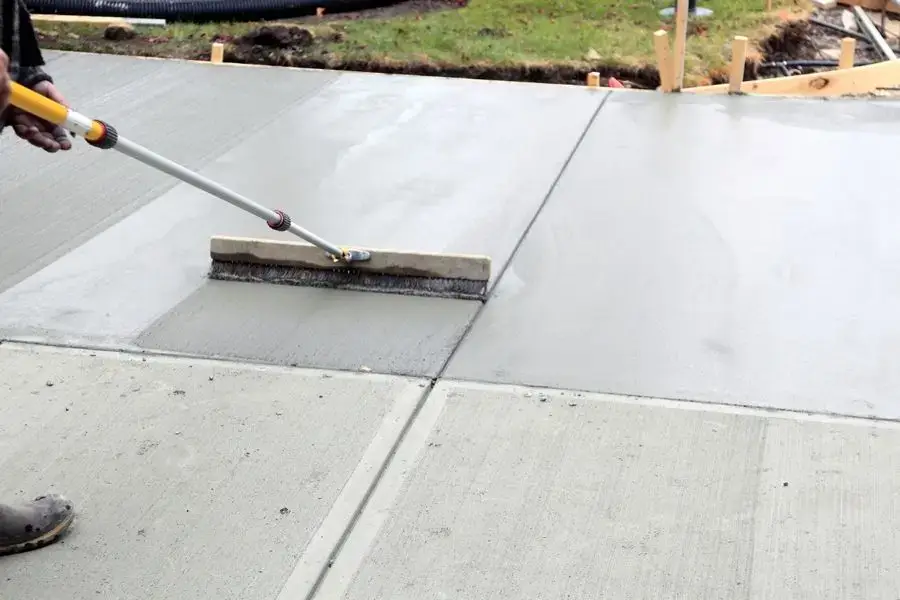
Every roof, driveway, or paved area on your property is a hard surface – and hard surfaces don’t let rain soak into the ground the way lawn or garden beds do. When you add a garage, extend your home, put in a new deck, or pave over more of your section, you’re increasing the amount of stormwater runoff your property produces during heavy rain.
That extra volume, arriving all at once, puts pressure on the local drainage network. This is exactly why councils, including Hastings District Council, may require a stormwater tank as a condition of consent for renovations and new structures. It’s not about penalising you for renovating – it’s about making sure the extra runoff your property now produces doesn’t overwhelm the system everyone shares.
How do I know if I need one?
Hastings District Council assesses this based on your property’s total area, your roof area, and the size of any hardstand areas like driveways, paths and decking. Is your renovation adding hard surface to your property? If so it’s worth checking early – before your plans are finalised – rather than discovering the requirement partway through your consent application, when it’s harder and more costly to adjust for.
We can help you get it sorted
As local, certified Master Plumbers, Gasfitters and Drainlayers, we install the pipework and tanks needed to meet Building Act and Resource Consent requirements. We work with homeowners across Napier, Hastings and Havelock North, and we’re happy to talk through what your renovation might mean for your drainage before you’re deep into the planning process.
If you’re not sure whether your current stormwater setup is coping as it is (including sump pits and soak pits) our Hawke’s Bay stormwater solutions checklist is a good place to start, and our guide to common stormwater drainage problems and solutions covers the issues we see most often on Hawke’s Bay properties.
Planning a renovation? Get in touch with our team before you finalise your plans, and we’ll help you work out whether a stormwater tank is part of the picture. Call us today on 06 211 6462 or fill in our form online and tell us how we can help.
Frequently Asked Questions
A stormwater tank temporarily stores rain runoff from a property's roof, driveway or other hard surfaces, then releases it slowly into the council stormwater system. This helps prevent heavy rain from overwhelming the local drainage network.
No, a stormwater tank and a rainwater tank are not the same thing. A rainwater tank stores water for reuse, such as for irrigation. A stormwater tank exists purely to slow and manage runoff before it's released - it isn't used for water storage or reuse.
No, all renovations in Hawke's Bay don't necessarily need a stormwater tank. It depends on how much additional hard surface (roof, driveway, decking) your renovation adds, assessed against your total property area. Smaller renovations may not trigger the requirement, while larger extensions or new structures often will.
Your local council decides if you need a stormwater tank as part of your renovation consent process. This is usually based on your property's roof area, hardstand area and total site size. It's best to check with the council or a local drainage specialist early in your planning.
The cost of installing a stormwater tank in Hawke's Bay varies depending on the size of the tank required and the complexity of your property's drainage setup. Getting an assessment early gives you a clearer picture before you finalise your renovation budget.
Yes East Coast Plumbing and Gas can install a stormwater tank for your renovation. As local, certified Master Plumbers, Gasfitters and Drainlayers, we install stormwater tanks and pipework to meet Building Act and Resource Consent requirements for homeowners across Hawke's Bay.
"Hard surface" covers anything on your property that stops rain soaking into the ground - roofs, driveways, paths, decking and paved or hardstand areas. Because hard surfaces send rainwater off-site rather than letting it soak away naturally, adding more of them through a renovation increases runoff, which is why councils such as Hastings District Council weigh up your total roof and hardstand area when deciding if a tank is required.
You should find out whether you need a stormwater tank as early as possible in your renovation - ideally before your plans and consent application are finalised. Checking early lets you design the tank into your layout and budget from the start, rather than discovering the requirement partway through the consent process, when changes are harder and more expensive to make.
A stormwater tank generally needs occasional maintenance once it's installed, much like other underground drainage components. Sediment, leaves and debris can build up over time and affect how well it holds and releases runoff, so periodic checking and clearing is worthwhile. Ask your installer what maintenance schedule suits your specific tank, property and drainage setup.
A stormwater tank can be added later, but it's far easier and cheaper to plan for one before your renovation plans and consent are finalised. Adding a tank after construction has started, or after consent has already been granted without one, often means reworking pipework, paving or landscaping that's already in place. Raising it with council or a drainlayer early avoids this extra cost.
Needing a stormwater tank doesn't limit how much you can build or pave - it addresses the extra runoff that new hard surface creates. Rather than restricting your renovation, the tank lets you add roof, driveway or decking area while still managing that additional stormwater responsibly, so your project can meet council requirements without you having to scale back your plans
If a stormwater tank is required as a condition of consent but isn't installed, your renovation may struggle to get sign-off or final approval. The requirement exists to stop the extra runoff your property produces from overwhelming the shared drainage network. Confirming what's needed early, rather than skipping it, avoids delays, failed inspections or costly retrofit work later.

