
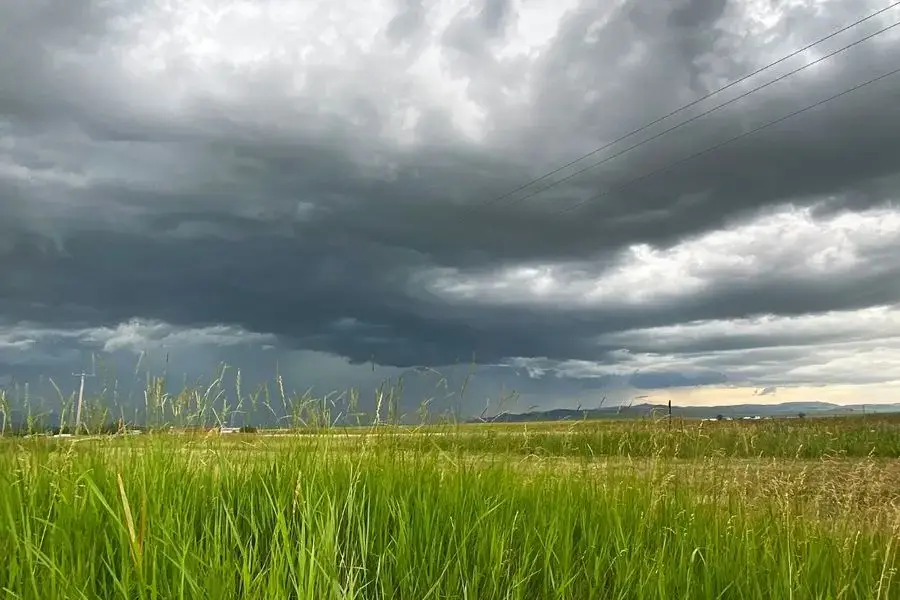
Hawke’s Bay knows better than most regions in New Zealand what a severe weather event can do. As cyclone season approaches, a little preparation around your home’s drainage can make a real difference to how well your property copes if a storm passes our way.
It doesn’t need to be complicated. Most of what makes a real difference comes down to a handful of simple checks, done before the weather turns (rather than during it).
Start with your gutters and downpipes
Your gutters and downpipes are your property’s first line of defence. If they’re clogged with leaves and debris before a major weather event hits, water has nowhere to go but over the edge – straight down your walls and toward your foundations. A clear-out now, before the season starts, is one of the simplest things you can do, and it’s the check most homeowners forget until it’s raining.
Check your sump or soak pit
If you’ve got a sump or soak pit, it’s worth knowing the signs that it isn’t coping: pooling water, soggy ground that doesn’t dry out, or a musty smell nearby. We’ve covered this in more detail in 5 signs your soak pit or sump pit isn’t working properly – these are easy to miss during a normal week, but during heavy, sustained rain, a struggling system can turn into a serious problem fast, and it’s much harder to diagnose and fix once the ground is already saturated.
Know your property’s private drainage
It’s a common misunderstanding, but everything from your roof gutters through to the pipes on your property – up to where they connect to the council network – is your responsibility, not council’s. We go through this in more detail in our Hawke’s Bay drainage Q&A. Knowing this now, rather than during an emergency, means you know exactly who to call and what you’re dealing with if something goes wrong when the weather hits.
Think about your property’s low points
If certain parts of your section have pooled after past storms – a corner of the lawn, a low spot near the driveway, an area close to the house – it’s worth getting these looked at before cyclone season rather than after. Persistent pooling near your foundations is one of the more serious risks a heavy weather event can expose.
Don’t wait for the warning
The properties that come through storm season best are usually the ones that had their drainage checked beforehand, not during. If it’s been a while since your gutters, sumps or stormwater system were properly looked at, now’s the time – not when the forecast turns.
We’re ready when you need us
As your local Hawke’s Bay drainage experts, we’ve seen what our region’s weather can do, and we know how to help you prepare for it properly – calmly, practically, and without the scare tactics.
Also worth a look is our Spring maintenance checklist, which covers wider seasonal upkeep beyond just drainage.
Get in touch with our team today to book a pre-season drainage check, and head into cyclone season with confidence.
Frequently Asked Questions
To prepare your drains for cyclone season you can start by clearing gutters and downpipes of leaves and debris, checking that any sumps or soak pits are draining properly, and identifying any areas on your property where water has pooled in past storms.
Signs that your stormwater system isn't coping include pooling water on your lawn or driveway, soggy ground that stays wet long after rain has stopped, slow-draining gutters, overflowing downpipes, or an unusual smell near drains or sumps.
Homeowners are responsible for all private drainage on their property, from roof gutters and downpipes through to the pipes connecting to the council's stormwater network. Council manages the public network beyond that connection point.
Ideally, well before the season starts rather than once heavy rain is forecast. This gives time to identify and fix any issues while the ground is dry and access is easier.
Yes, heavy rain can damage your property even if you haven't had drainage problems before. A property with no history of drainage issues can still be affected if gutters are blocked, the ground is already saturated from earlier rain, or a sump or soak pit hasn't been maintained. Regular checks help catch developing issues early.

